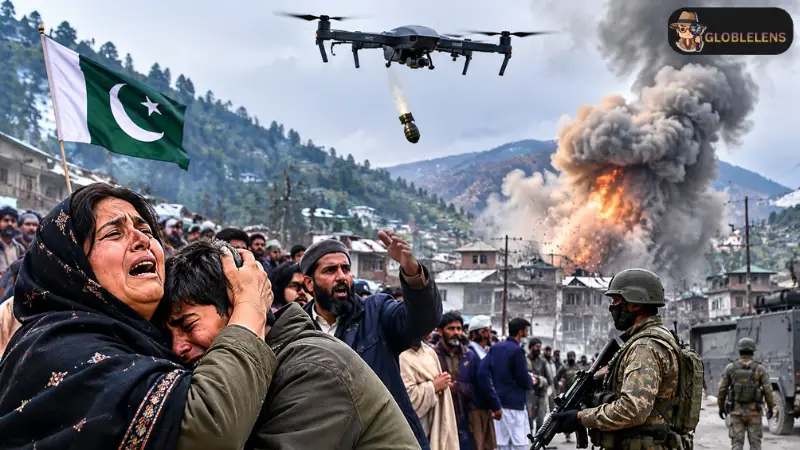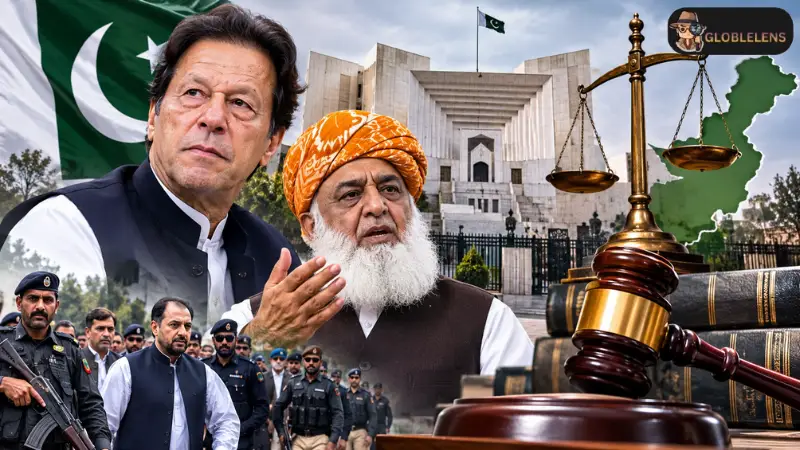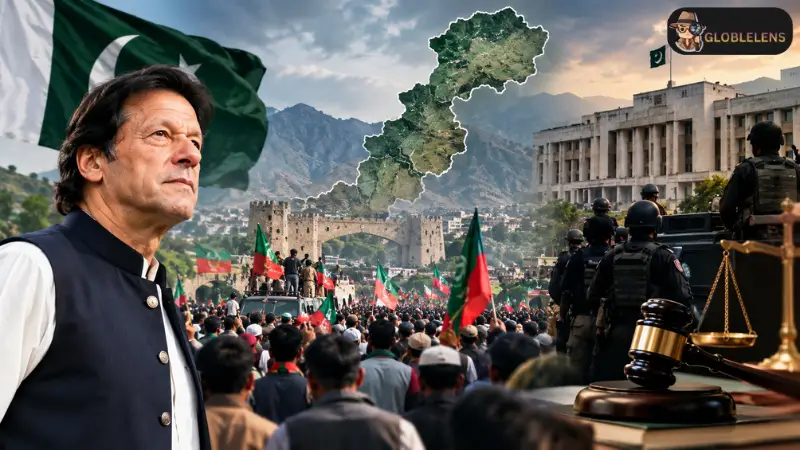
The political landscape of Pakistan continues to experience profound volatility, marked by intense confrontations between state institutions and the Pakistan Tehreek-e-Insaf (PTI) leadership. Recent developments have brought Khyber Pakhtunkhwa (KP) to the epicenter of national politics, as administrative shifts, emergency measures, and high-stakes protests escalate tensions. Observers note that systemic pressures on political figures have intensified, yet key leaders remain steadfast despite mounting governmental maneuvers.
At the center of these developments is the ongoing struggle surrounding governance, political expression, and institutional boundaries. The imposition of emergency measures and administrative changes in Khyber Pakhtunkhwa have triggered widespread debate among political analysts, legal experts, and the public. Critics argue that these steps reflect an attempt to stifle regional autonomy and suppress popular political sentiment, while supporters of state policies cite security and administrative necessity.
Furthermore, public discourse emphasizes the resilience of political actors under duress. Despite coordinated efforts by various state machinery and intelligence agencies to fracture political solidarity, leadership figures continue to maintain their core support base. The strategic deployment of long marches, public gatherings, and regional mobilization highlights a deeply polarized environment where traditional political paradigms are constantly being tested.
As the situation unfolds, civil society and international observers are closely monitoring the implications for democratic norms, freedom of expression, and the rule of law in Pakistan. The unfolding events underscore a critical juncture in the nation's political trajectory, where the balance of power between civilian leadership, regional governments, and national institutions remains highly contentious.