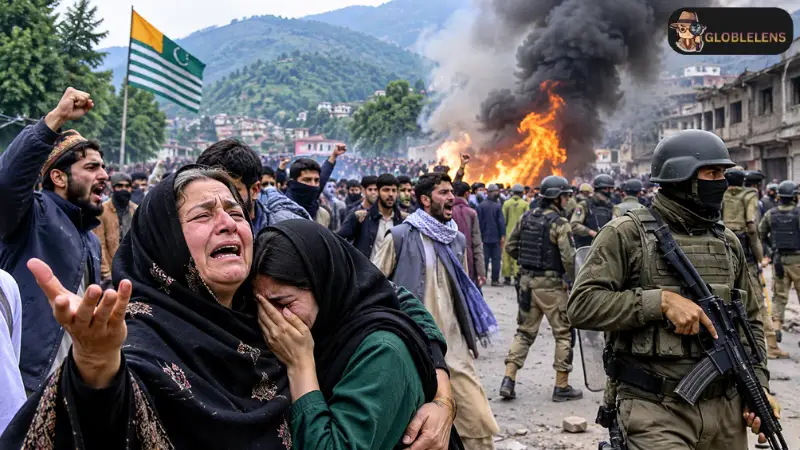
The political landscape in Azad Kashmir has reached a critical juncture following a series of violent security operations directed against the Joint Awami Action Committee. Reports indicate that security forces initiated major clampdowns to suppress ongoing protests and demonstrations organized by local activists. Eyewitness accounts and local leaders have highlighted the heavy deployment of force, including intense gunfire and specialized crowd-control measures, resulting in casualties and widespread property damage. Three individuals have been confirmed dead, including Ehtasham Younas, Adil Rasheed, and Atif, while reports of further injuries and severe structural damage to homes have heightened local grievances.
The escalation has drawn significant international scrutiny, with human rights organizations and parliamentary representatives from various nations raising concerns about civil liberties and state responses. Notably, British parliamentarians have formally addressed international bodies, urging dialogue and a peaceful resolution to the escalating crisis. Local populations, particularly students and youth, have expressed intense anger, staging demonstrations within educational institutions and voicing strong dissent against state authorities. Analysts note that the systematic handling of civil dissent risks deepening political alienation and eroding public trust in regional governance structures.