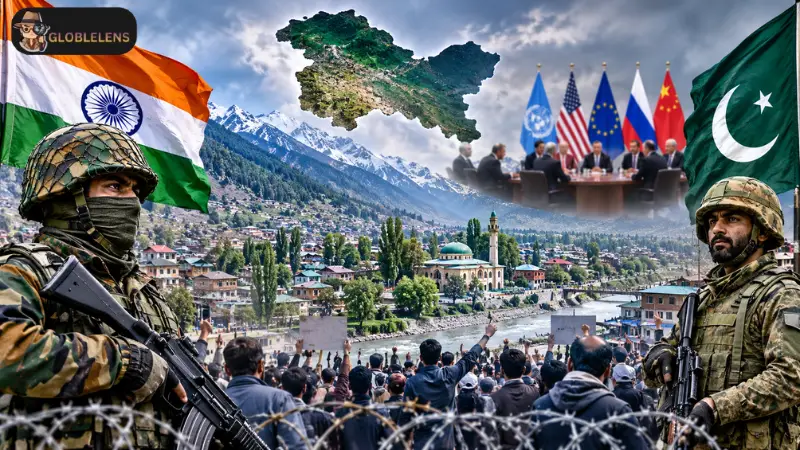
The regional dynamics of South Asia continue to be defined by complex geopolitical friction points, with Kashmir remaining a focal point of strategic interest, diplomatic maneuvering, and security concerns. Recent events underline a shifting landscape where regional stakeholders must recalibrate their diplomatic and security paradigms to preserve long-term stability. The intersection of domestic political imperatives and cross-border sensitivities has created an environment requiring nuanced statecraft and continuous dialogue.
From a strategic standpoint, regional security architectures are under immense pressure. Observers note that administrative changes, shifting security protocols, and heightened civil unrest amplify the volatility of the region. Military analysts emphasize the necessity of maintaining robust communication channels to prevent miscalculations that could escalate into broader conflicts. Furthermore, the socio-economic impact on local populations remains a critical concern, as prolonged disruptions hinder regional commerce, tourism, and community development.
Diplomatic initiatives must focus on multilateral engagement and confidence-building measures. Sustainable peace in Kashmir cannot be achieved through unilateral postures or militarized approaches alone; it demands a genuine commitment to addressing the core grievances of the populace while respecting international frameworks. As global powers monitor the region closely, local leaderships face the dual challenge of managing domestic expectations while engaging constructively with external actors to foster regional harmony.