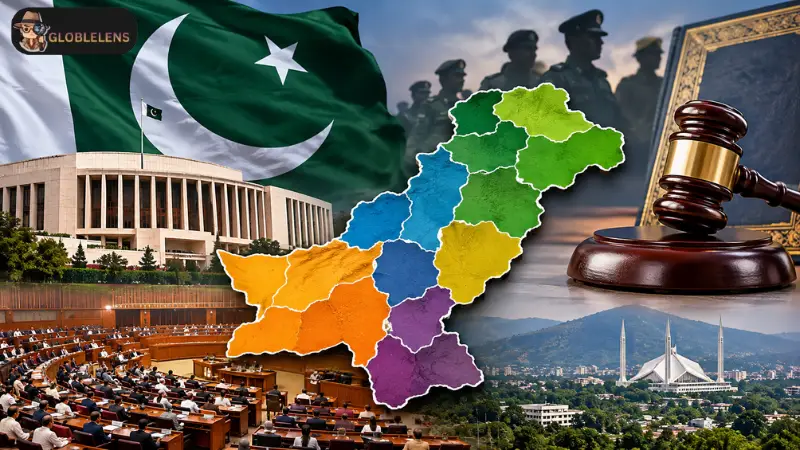
Recent policy discussions and media reports have brought renewed focus to Pakistan's administrative architecture, highlighting a proposed constitutional initiative referred to as the 28th Amendment. According to reports from major publications, the proposal involves reshaping Pakistan's territorial map by establishing 12 distinct provinces. The plan outlines a division that includes the creation of four provinces in Punjab, three in Khyber Pakhtunkhwa, three in Balochistan, and two in Sindh, bringing the total number of administrative units to 12.
Proponents of administrative decentralization argue that smaller administrative units can significantly improve governance, enhance public service delivery, and address regional disparities that have persisted for decades. In theory, restructuring larger provinces like Punjab and Sindh could bring government institutions closer to local populations, ensuring more equitable resource distribution and tailored development policies.
However, political analysts and commentators have raised critical concerns regarding the origin, timing, and implementation framework of these proposed reforms. In a parliamentary democracy, fundamental constitutional amendments and territorial restructuring should originate from elected political leadership through broad-based consensus and open legislative debate. Critics argue that when major structural reforms are driven primarily by security establishments or unelected bureaucratic channels rather than popular political mandates, they risk lacking democratic legitimacy and public trust.
Furthermore, economic viability and institutional integrity remain central concerns. Creating new provincial setups requires substantial fiscal allocation, robust infrastructure development, and transparent governance mechanisms to prevent administrative bloat and corruption. Without empowered local governments and genuine democratic oversight, administrative restructuring risks becoming a superficial exercise rather than a meaningful step toward decentralized governance.