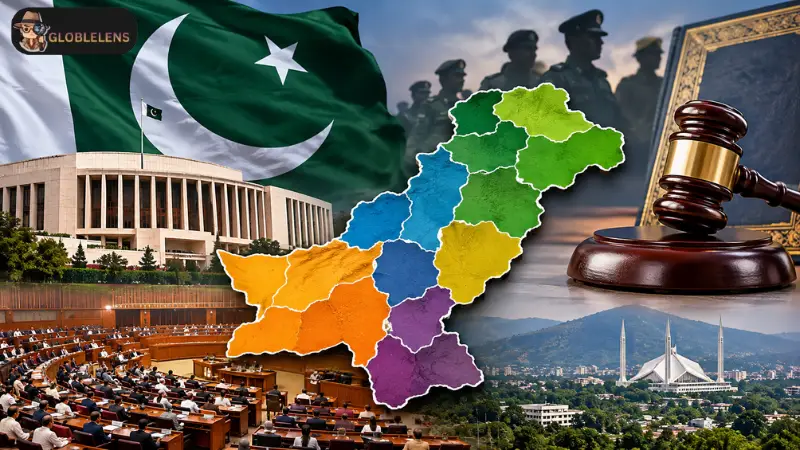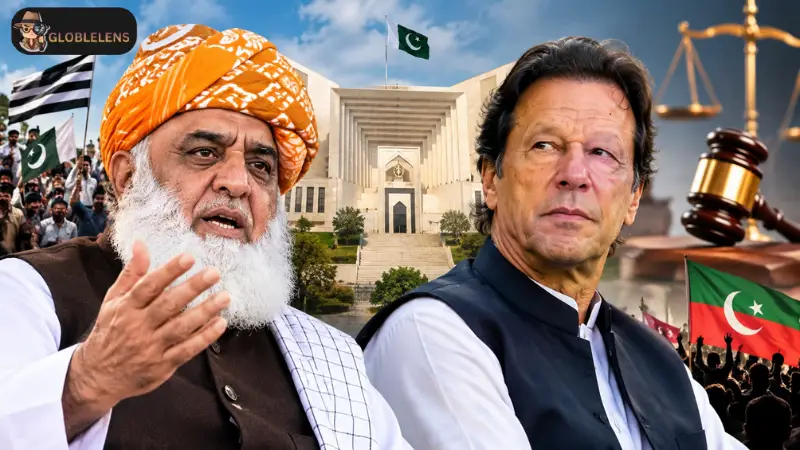
The domestic political sphere in Pakistan is undergoing a profound structural evolution, characterized by high stakes legal confrontations, unconventional political alignments, and fierce opposition narratives. Central to this political flux are strategic maneuvers by veteran religious-political figures like Maulana Fazlur Rehman and the sustained legal battles spearheaded by Pakistan Tehreek-e-Insaf (PTI) centered around Imran Khan. These developments reflect a deep institutional and structural reconfiguration of power within the country.
Maulana Fazlur Rehman’s recent political positioning illustrates the fluid nature of alliances in Pakistan. Known for his tactical pragmatism, his moves are closely monitored by political analysts trying to decipher whether these actions signal a broader opposition consolidation or a tactical bargain with the ruling establishment. Such high risk moves often carry significant political capital costs, impacting both his party's electoral standing and the broader coalition dynamics in Islamabad.
Simultaneously, PTI's ongoing court battles represent a critical front in the struggle for political legitimacy and institutional checks and balances. The judicial arena has become the primary battleground where questions of due process, leadership incarceration, and constitutional rights are fiercely contested. Legal experts suggest that the outcomes of these high profile trials will not only dictate the immediate future of the country's major opposition party but also set vital precedents for judicial independence and political freedom in Pakistan.