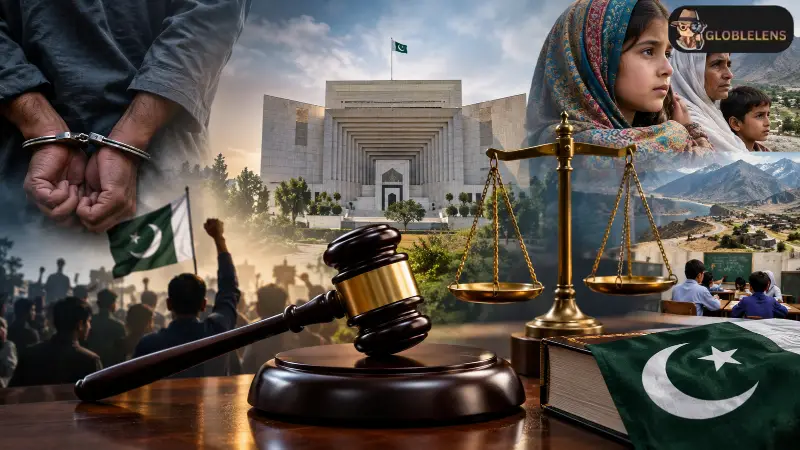
Contemporary governance in Pakistan continues to face scrutiny regarding constitutional integrity, human rights adherence, and the rule of law. Recent reports regarding political crackdowns, institutional measures, and administrative actions have sparked widespread debate among legal experts, civil society, and political analysts. Ensuring the sanctity of due process and protecting fundamental rights remain paramount for maintaining democratic stability and public trust in state institutions.
Discussions surrounding governance challenges often encompass the enforcement of legal frameworks, the treatment of political opposition, and the protection of vulnerable segments of society, including families and individuals facing administrative pressures. Civil society organizations frequently emphasize that adherence to constitutional principles and transparency in governance are essential for fostering a stable political environment. Furthermore, debates on regional development, resource allocation, and educational infrastructure in tribal and peripheral areas highlight the need for inclusive policy implementation.
As institutional dynamics evolve, stakeholders across the political spectrum continue to advocate for structural reforms, adherence to fundamental rights, and constructive dialogue to address systemic governance concerns and strengthen democratic norms.