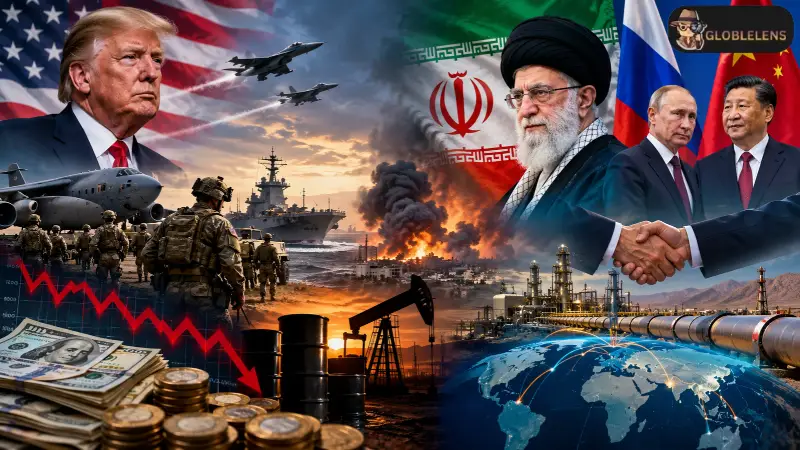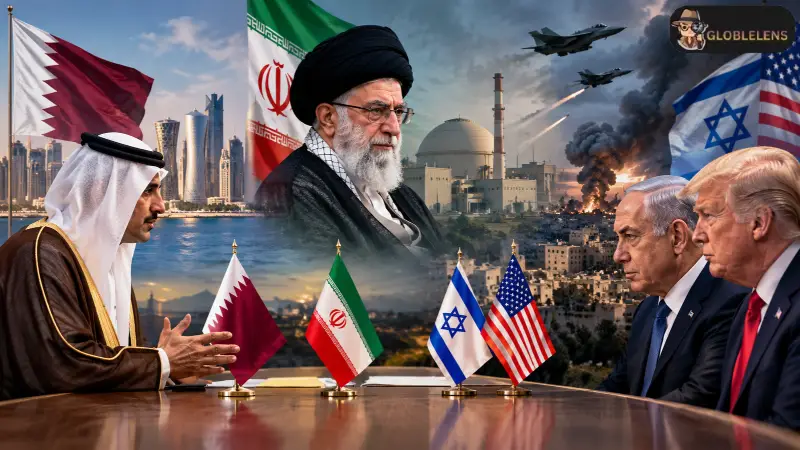
Recent diplomatic maneuvers in the Middle East have highlighted significant hurdles in mediating regional conflicts, particularly concerning Iran's nuclear program and ongoing military escalations involving Israel and the United States. Qatar, leveraging its historical experience in facilitating high-level diplomatic dialogues, recently presented proposals aimed at de-escalating tensions and fostering engagement between Tehran and Washington.
However, reports indicate that Iranian leadership has rejected compromise on key components of its nuclear development program, signaling steadfastness despite looming economic pressures and potential military threats. Regional analysts note that coordination between Israeli leadership and international allies continues to shape strategic planning, while Tehran evaluates formal responses to diplomatic proposals.
The impasse reflects broader complexities in international diplomacy, where traditional mediation channels struggle to bridge fundamental security divides. As stakeholders monitor upcoming electoral shifts and policy adjustments in Western nations, the trajectory of regional stability remains precarious, hinging on whether diplomatic frameworks can overcome entrenched geopolitical postures.