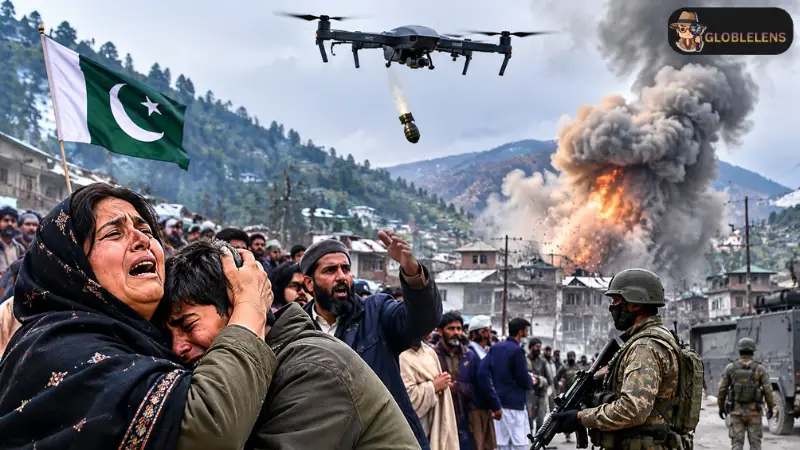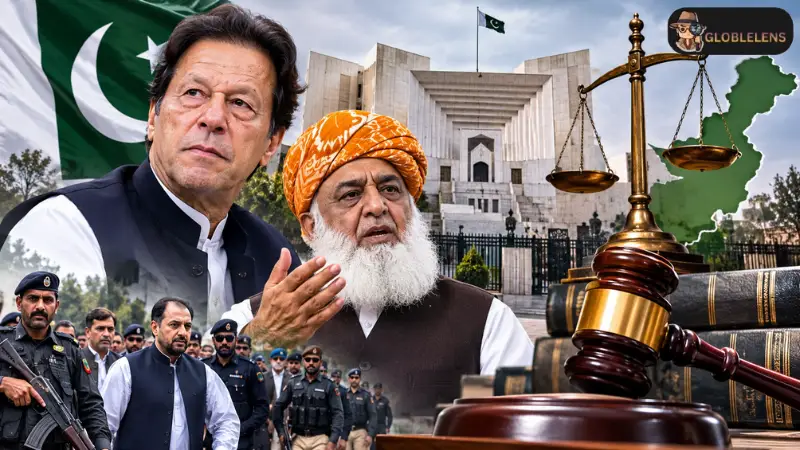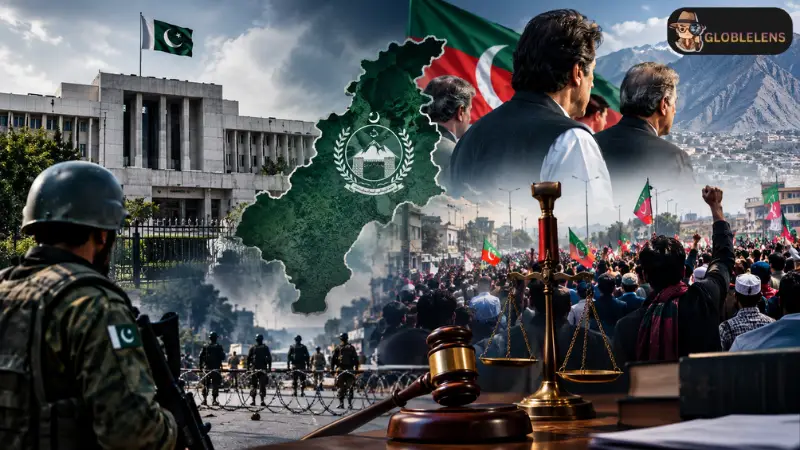
The political landscape of Pakistan has entered a turbulent phase following the recent imposition of emergency measures and Governor's Rule in the Khyber Pakhtunkhwa (KP) province. This drastic constitutional intervention has sparked intense nationwide debates, drawing sharp criticism from political factions, legal analysts, and civil society organizations. The suspension of the provincial government has fundamentally altered the power dynamics between the federal administration and regional leadership, creating an environment of deep uncertainty.
At the core of this unfolding crisis is the mounting friction between the federal coalition and the Pakistan Tehreek-e-Insaf (PTI) leadership. Proponents of the federal government’s actions argue that exceptional administrative measures were necessitated by deteriorating security conditions and governance challenges within the province. However, opposition figures and regional representatives contend that these actions represent an overreach of executive authority, undermining democratic norms and disenfranchising the local populace. The suspension of the provincial cabinet has triggered widespread protests, leading to significant disruptions across major urban centers in KP.
Civil unrest has intensified as local communities and political activists mobilize against the suspension of their elected representatives. Demonstrations have ranged from peaceful sit-ins to high-profile rallies, reflecting the profound public discontent with the central government's directives. Furthermore, key regional stakeholders and tribal figures have expressed strong reservations regarding the centralization of power, warning that bypassing local leadership risks alienating crucial constituencies and exacerbating regional grievances.
Legal experts are closely monitoring the constitutional validity of the measures invoked under Article 234, questioning whether the threshold for imposing Governor’s Rule was legitimately met. As petitions challenge the executive decisions in higher judiciary forums, the legal battleground mirrors the political polarization on the streets. Moving forward, the resolution of this crisis will heavily depend on constructive dialogue between the federal establishment and regional leaders, as prolonged administrative deadlock threatens both institutional stability and economic recovery across the country.