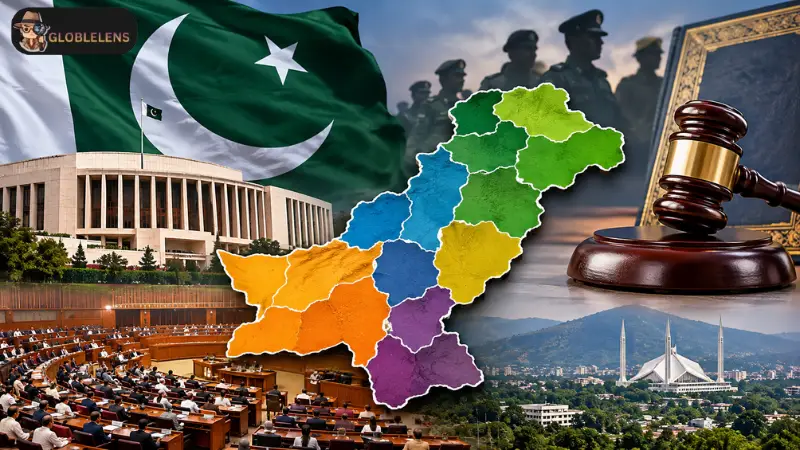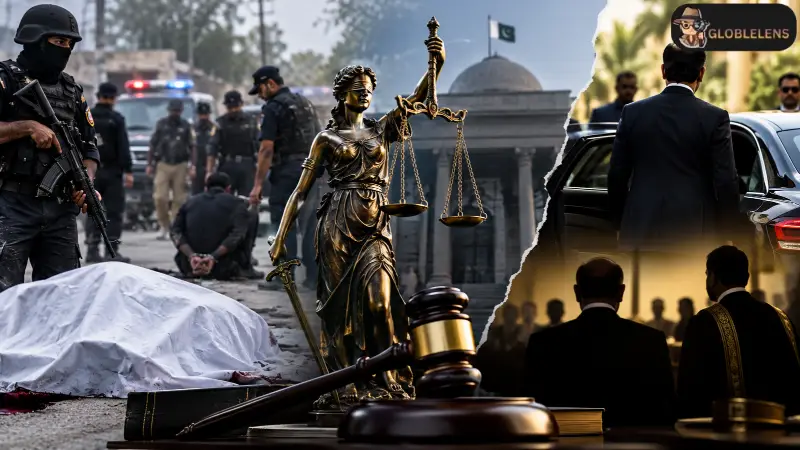
Recent law enforcement actions in Pakistan have brought renewed scrutiny to the practices of extrajudicial encounters and selective application of the law. Incidents reported in regions such as Multan and Islamabad highlight a persistent divide in how legal repercussions are administered depending on an individual's socio-economic status.
In these recent operations, suspects accused of violent crimes were killed by law enforcement agencies outside the formal judicial process. While public sentiment often demands strict accountability for heinous acts, legal experts and commentators emphasize that bypassing the judiciary undermines the foundational framework of the rule of law. A functioning justice system requires transparent trials, due process, and consistent application of penalties to serve as a genuine deterrent for society.
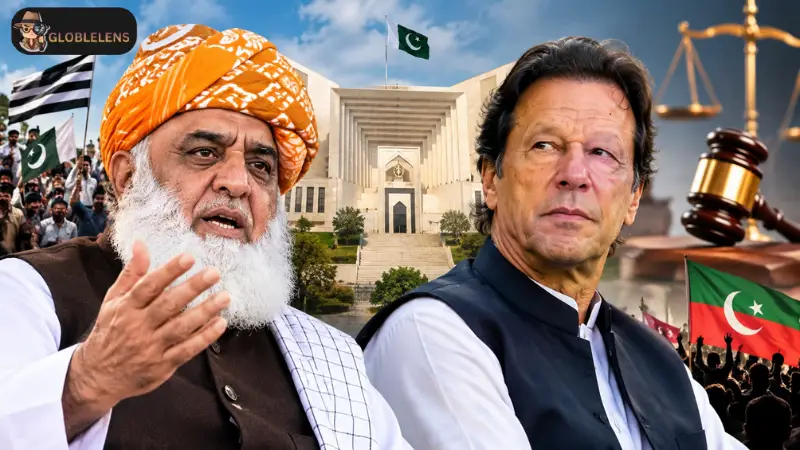
A central issue raised by observers is the stark contrast in treatment between individuals from different social classes. While marginalized offenders frequently face immediate and lethal force, individuals belonging to influential political or elite families often evade comparable public exposure, rigorous investigation, or severe penal consequences following similar or parallel allegations. Instances involving relatives of high-ranking political figures or judiciary members frequently see reduced media scrutiny, delayed proceedings, or a lack of transparent evidentiary follow-up.
This apparent dichotomy fosters public cynicism regarding law enforcement integrity and institutional fairness. Civil society advocates argue that selective justice erodes public trust in state organs, creating an environment where accountability appears contingent upon political influence rather than statutory compliance. True systemic reform demands uniform legal enforcement, transparent investigations, and the strengthening of independent judicial institutions to ensure that every citizen is subject to the same standard of accountability.