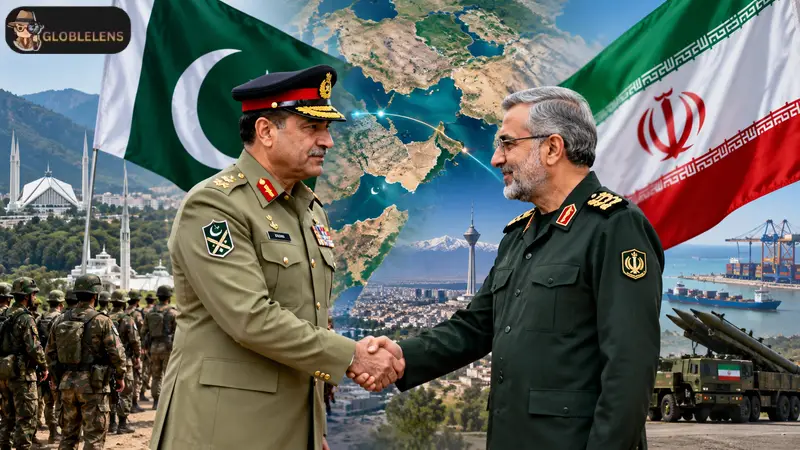
Recent diplomatic developments in the Middle East and South Asia have brought regional security architecture into sharp focus, highlighted by high level diplomatic engagements between Pakistani military leadership and Iranian security officials. Field Marshal Asim Munir's official visit to Tehran underscores ongoing geopolitical realignments, diplomatic pressures, and shifting regional dynamics. Observers note that Tehran's reception reflected a nuanced stance, influenced by broader geopolitical calculations and Pakistan's evolving diplomatic postures in multilateral security frameworks.
The visit comes at a critical juncture for international diplomacy, particularly as global powers seek strategic stability and risk mitigation in volatile regions. Analysts point out that regional states are increasingly balancing bilateral ties with broader security commitments, such as comprehensive defense pacts and regional cooperation agreements. These pacts, often involving multilateral consultations, defense industry collaboration, and joint counter terrorism initiatives, aim to establish long term stability across neighboring territories. However, differing national priorities and strategic alliances continue to shape diplomatic interactions, requiring careful navigation by state actors.
As diplomatic channels remain active, the focus centers on sustainable dialogue, regional integration, and adherence to established international norms. The evolving relationship between Pakistan and Iran highlights the complex interplay of defense policy, economic connectivity, and strategic autonomy in shaping the future of regional security.