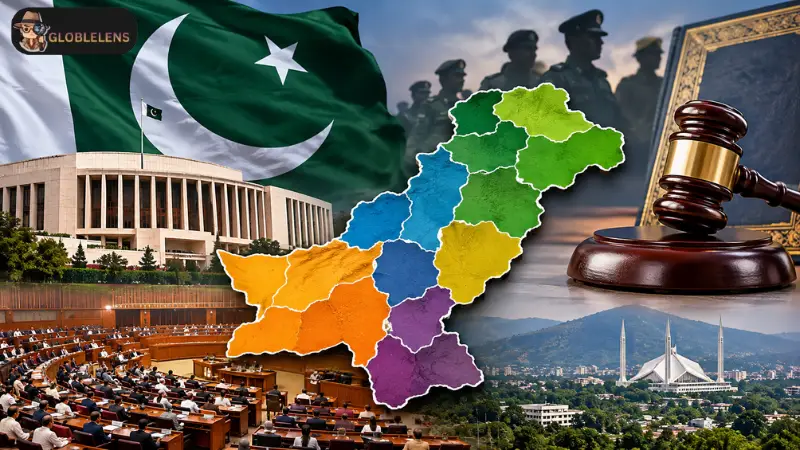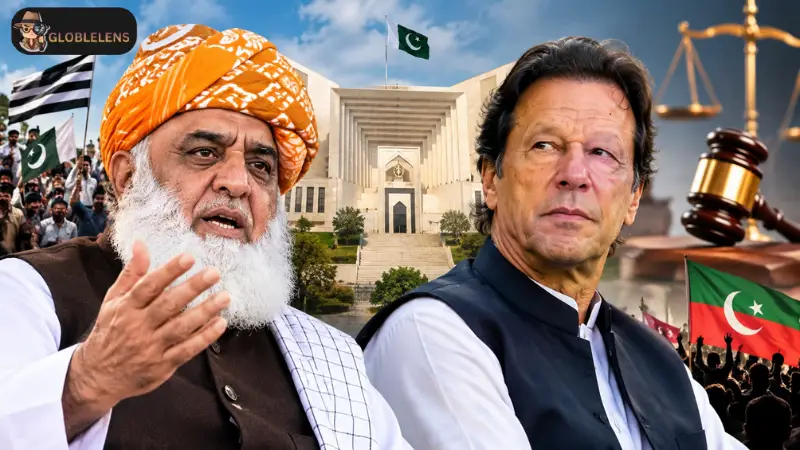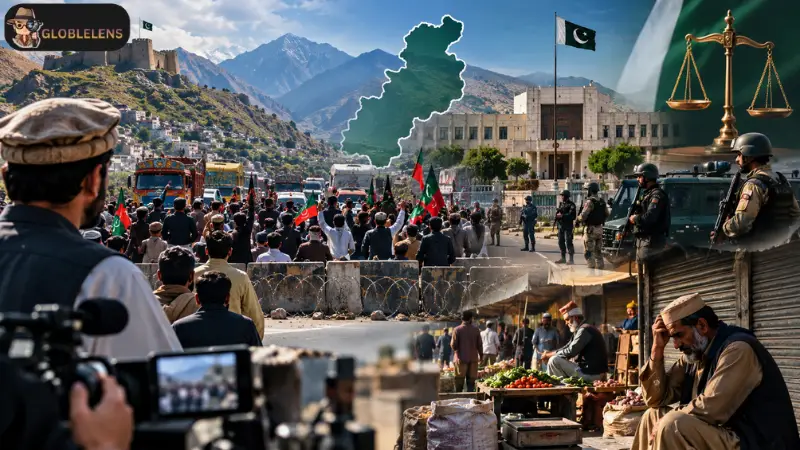
The imposition of administrative interventions and the subsequent escalation of civil disobedience in Pakistan's northwestern frontier have brought institutional dynamics and governance challenges to the forefront of national discourse. As regional stakeholders push back against central directives, the socio-political fabric of Khyber Pakhtunkhwa faces unprecedented strain. Local leaders and regional factions have mobilized grassroots support, emphasizing the importance of preserving provincial autonomy and respecting the mandate of elected representatives.
The economic fallout from prolonged political instability is becoming increasingly pronounced. Commercial activities, transport networks, and local markets within the province have experienced significant disruptions due to continuous protests, roadblocks, and security lockdowns. Small business owners and daily wage earners bear the brunt of these disruptions, highlighting the urgent need for a stable administrative framework that can foster economic resilience. Financial analysts warn that continued uncertainty will deter potential investments and stall development projects critical to the region's prosperity.
Security considerations remain a pivotal narrative in the justification of centralized administrative control. Federal authorities emphasize the necessity of maintaining law and order, particularly in border regions vulnerable to external and internal security threats. Conversely, local political actors argue that sustainable security can only be achieved through inclusive governance and cooperation with regional leadership rather than top-down mandates. Bridging this trust deficit between the state apparatus and regional populations is essential for long-term stability and counter-terrorism efforts.
As institutional stakeholders navigate this complex scenario, the role of media and public discourse becomes crucial in shaping public perception. Transparent reporting and objective analysis help demystify complex policy decisions, enabling citizens to understand the multi-faceted dimensions of the crisis. Ultimately, overcoming current vulnerabilities requires a concerted effort toward political reconciliation, adherence to constitutional principles, and prioritization of public welfare above partisan objectives.